Macarons in Gift Box Mockup on a Light
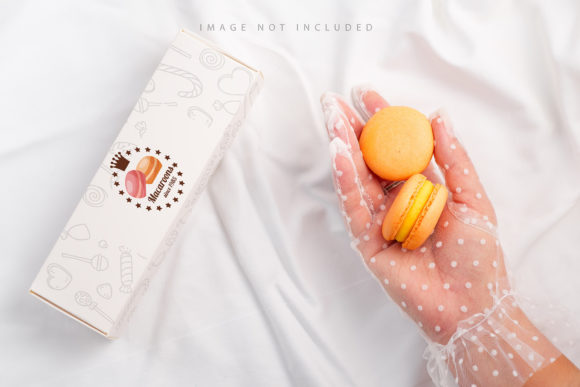
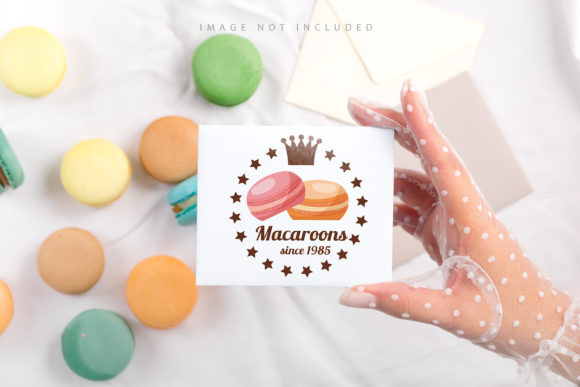
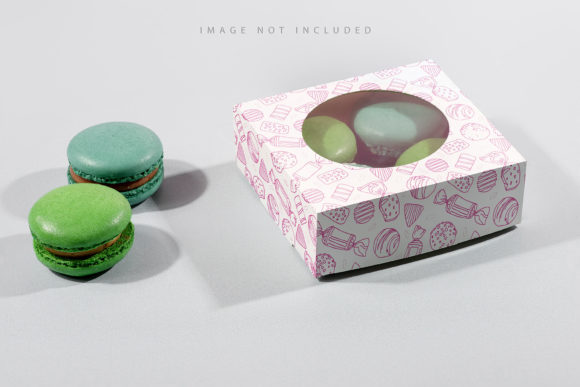
In the fast-paced world of digital marketing and creative branding, the first impression is often made before a single word is read. For businesses selling confectionery, boutique goods, or premium lifestyle products, visual presentation is everything. This is where Macarons in Gift Box Mockup on a Light becomes an indispensable tool for designers and entrepreneurs alike. It represents more than just a template; it is a bridge between a raw concept and a polished, market-ready product image that resonates with modern consumers.
The shift towards high-quality visual storytelling has never been more critical. Today's audience, spanning from busy professionals to curious hobbyists, expects authenticity and clarity. They want to see exactly what they are buying, presented in a context that feels both aspirational and attainable. A mockup featuring macarons in a gift box against a light background offers a clean, airy aesthetic that aligns perfectly with current design trends emphasizing minimalism and transparency. By utilizing this specific resource, creators can elevate their portfolios and product listings without needing access to expensive photography studios or complex 3D rendering software.
Streamlining the Creative Workflow with Smart Objects
One of the most significant challenges in graphic design is efficiency. Professionals often spend hours setting up scenes, adjusting lighting, and rendering textures only to realize a client wants a quick variation. The solution lies in the technology behind the Macarons in Gift Box Mockup on a Light. Unlike static images or rigid vector files, this asset utilizes active smart objects within Adobe Photoshop (.psd) format. This feature fundamentally changes how designers interact with their work.
The process is remarkably intuitive: simply paste your design into the designated smart object layer and save the file. The software automatically applies your artwork to the packaging, handling perspective, shadows, and texture mapping instantly. This capability allows for rapid iteration. A marketer can test five different color palettes for a holiday collection in minutes rather than days. This speed is not merely a convenience; it is a competitive advantage in industries where time-to-market dictates success.
Furthermore, the inclusion of documentation ensures that even users with varying levels of technical expertise can navigate the file effectively. The .psd format remains the industry standard for a reason—it offers flexibility that web-only tools cannot match. Whether you are a freelance designer managing multiple clients or a business owner creating in-house assets, the ability to edit layers non-destructively preserves the integrity of your original work while allowing for endless customization.
Understanding the Safety Zone and Precision Design
Design is an exercise in precision. When placing logos, typography, or intricate patterns on a curved surface like a gift box, margins matter immensely. If a logo is too close to the edge, it risks being cut off during printing or appearing cramped in a digital thumbnail. This is where the Safety zone feature within this mockup proves its worth.
The safety zone consists of invisible guide lines embedded within the smart object layer. These lines delineate the area where content will be safely rendered without distortion or clipping. To view them, users simply activate the specific layer, revealing the boundaries that keep designs professional and legible. This feature eliminates the guesswork often associated with manual placement. Instead of squinting at a low-resolution preview, designers have a clear map of where their content belongs.
This attention to detail reflects a broader trend in the design community: the move towards user-centric tools that reduce error rates. By providing a dedicated space for safe content placement, the mockup respects the constraints of real-world production. It acknowledges that a digital design must eventually translate to physical reality. For those who have struggled with misaligned logos in previous projects, this built-in guidance system offers peace of mind and a higher standard of output.
Technical Specifications and Realistic Rendering
The quality of a mockup is directly tied to its resolution and realism. This specific asset boasts a massive size of 6016×4016 pixels, ensuring that every pixel counts. At 300 DPI, the image is print-ready, making it suitable for large-format posters, brochures, or high-resolution website banners without any loss of sharpness. This level of detail is crucial for professionals who need to present their work to stakeholders who scrutinize every aspect of the visual.
It is important to note that this is a photograph, not a 3D model or a vector illustration. This distinction matters because photographs capture the subtle imperfections of the real world—light diffusion, fabric textures, and natural shadows. While 3D models offer infinite rotation, they can sometimes feel sterile or overly perfect. A photographic mockup grounds the design in reality, making the product look tangible and trustworthy. The light background enhances this effect, providing a neutral canvas that lets the product colors pop without distraction.
However, users should be aware of certain limitations to manage expectations correctly. The background or design color does not change automatically with the smart object. This means the lighting environment is fixed, which adds to the realism but requires the designer to ensure their own artwork complements the existing light source. Additionally, applied typography is NOT INCLUDED. This is a deliberate choice to allow complete freedom over font selection, ensuring that the final design matches the brand's specific voice rather than being constrained by pre-set text styles.
Adapting to Modern Market Preferences
The popularity of the Macarons in Gift Box Mockup on a Light is not accidental; it mirrors a significant shift in consumer behavior and market preferences. In recent years, there has been a surge in demand for "unboxing" experiences and visually appealing gifting solutions. Social media platforms like Instagram and Pinterest thrive on bright, clean imagery that evokes feelings of joy and celebration. A light background provides the necessary negative space that these algorithms favor, making content more likely to be shared and engaged with.
For entrepreneurs and small business owners, the cost of professional photography can be prohibitive. Hiring a photographer, renting a studio, and styling props can drain resources that could otherwise go toward product development or advertising. High-quality mockups democratize access to professional-grade visuals. They allow a startup to compete visually with established brands by presenting their products in a sophisticated light immediately.
Moreover, the versatility of this mockup extends beyond simple product shots. Educators can use it to teach design principles, bloggers can create engaging header images for posts about confectionery or gifting, and freelancers can build robust portfolios without needing a physical inventory of products. The adaptability of the tool supports a wide range of use cases, reflecting the diverse needs of the modern digital economy.
Practical Recommendations for Creators
To get the most out of this asset, creators should approach the workflow with intention. Start by designing your artwork within the dimensions suggested by the safety zone. Ensure that your contrast levels are sufficient so that the design remains visible against the texture of the box. Since the background color is fixed, consider how your design interacts with the surrounding light. Warm tones might complement the soft lighting, while cool tones could create a striking contrast depending on the desired mood.
When saving the file, always remember to save the PSD version to maintain the smart object functionality. If you need to export a JPEG or PNG for web use, do so after finalizing all edits to ensure the highest quality output. Regularly check the safety zone layers before exporting to guarantee that no critical elements are encroaching on the edges.
Ultimately, the value of the Macarons in Gift Box Mockup on a Light lies in its ability to simplify complexity. It removes the technical barriers that often hinder creativity, allowing designers to focus on the art itself. By combining high-resolution accuracy with user-friendly features like smart objects and safety zones, this tool empowers users to produce work that meets the rigorous standards of today's visual landscape. As the market continues to evolve, having reliable, high-quality assets like this one will remain essential for anyone looking to make a lasting impact in the digital space.
Whether you are launching a new line of gourmet treats or refreshing your brand identity, investing time in mastering these mockups pays dividends. The result is a professional presentation that speaks volumes about the quality of the product inside the box, building trust and driving engagement in a crowded marketplace.