3d Minimal Clean Neon Logo Mockup Design: A Practical Guide to Evaluation and Selection
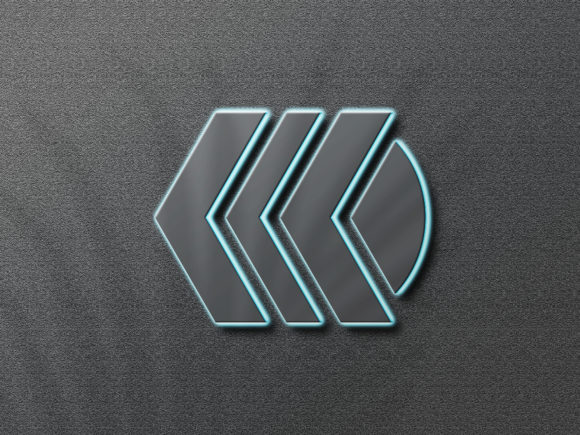
In the rapidly evolving landscape of digital branding, visual identity must be both memorable and adaptable. One specific resource that has gained significant traction among designers and business owners is the 3d minimal clean neon logo mockup design. This tool bridges the gap between a flat vector file and a tangible brand presence, offering a photorealistic preview of how a logo performs under dramatic lighting conditions. Unlike standard 2D presentations, this approach simulates depth, glow, and texture, allowing stakeholders to visualize the final product in real-world scenarios before committing to physical production or extensive development.
Understanding the nuances of this specific mockup category requires looking beyond the aesthetic appeal. It involves analyzing technical specifications, workflow efficiency, and the strategic value it brings to the design process. For professionals evaluating their options, knowing exactly what to expect from a high-quality file—such as one with 4000×3000 pixel resolution and Adobe Photoshop CC compatibility—is essential for making an informed decision.
Distinguishing Features of the 3d Minimal Clean Neon Style
The term "minimal clean" suggests a design philosophy where unnecessary elements are stripped away to focus on the core message, while "neon" introduces a vibrant, luminous quality often associated with modern nightlife, tech startups, or creative agencies. When combined into a 3d minimal clean neon logo mockup design, the result is a sophisticated presentation that adds volume and atmosphere without cluttering the composition.
What sets this style apart from traditional flat mockups is the handling of light and shadow. In a typical 2D presentation, a logo sits on a background. However, in a 3D neon environment, the logo itself becomes a light source. The mockup simulates how the edges of the typography or icon glow against a darker backdrop, creating a halo effect that draws the eye immediately. This distinction is crucial for brands aiming to project innovation, energy, or a futuristic image.
The "clean" aspect ensures that despite the complex lighting effects, the underlying logo remains legible and professional. It avoids the chaotic, overly saturated look often seen in amateur neon designs. Instead, it offers a refined, polished look that can elevate a simple geometric shape into a striking visual asset. This balance between complexity (the 3D lighting) and simplicity (the minimal logo) is what makes this format particularly effective for high-end branding.
Technical Specifications and Workflow Integration
Beyond the visual aesthetics, the practical utility of a mockup depends heavily on its technical architecture. A robust 3d minimal clean neon logo mockup design is not just an image; it is a functional template designed for flexibility. The industry standard for such files typically revolves around Adobe Photoshop, specifically utilizing versions like CC to ensure compatibility with advanced features like layer styles, blending modes, and smart objects.
- Resolution and Scalability: A standard dimension of 4000×3000 pixels provides ample detail for both web display and large-format printing. This high resolution ensures that when you zoom in to inspect the glow effects or the texture of the surface, the image remains crisp without pixelation. This is vital for clients who may request high-resolution proofs for billboards or signage.
- Layer Organization: One of the most critical factors in usability is the organization of layers. A well-structured file will have clearly labeled groups for the logo placement, lighting adjustments, background elements, and shadow casting. This well-organized layers structure allows designers to quickly swap out their artwork without disrupting the intricate lighting setups created by the mockup author.
- Color Mode: Working in RGB color mode is standard for digital presentations, ensuring that the neon colors appear vibrant and true to screen expectations. While print projects might eventually require CMYK conversion, starting in RGB allows for a more accurate representation of the glowing effects during the design phase.
The ability to easily edit the logo is paramount. Ideally, the mockup utilizes Smart Objects, meaning you can double-click the placeholder layer, insert your own vector export, save it, and watch the entire scene update instantly. This feature saves hours of manual re-rendering and allows for rapid iteration during client meetings.
Evaluating Tradeoffs: 3D Neon vs. Alternative Presentation Methods
When choosing a presentation method, designers often weigh the benefits of a 3d minimal clean neon logo mockup design against other common formats, such as flat vector displays, 2D environmental mockups, or fully rendered 3D scenes. Each approach serves a different purpose, and understanding the tradeoffs helps in selecting the right tool for the job.
Compared to a flat vector display, the 3D neon mockup offers superior emotional impact. A flat image shows the geometry but fails to convey the mood. If a brand wants to communicate excitement or a premium feel, the simulated light of a neon mockup does the heavy lifting that a plain white background cannot. However, the tradeoff is time and technical requirement. Flat images load faster and are easier to use in quick social media posts, whereas a high-fidelity 3D mockup requires more processing power to render and larger file sizes.
Contrast this with a fully custom 3D render. While a custom render offers total control over every angle and material, it is time-consuming and expensive to produce. A pre-made 3d minimal clean neon logo mockup design acts as a middle ground. It provides the depth and realism of a 3D scene without requiring the user to know 3D modeling software like Blender or Cinema 4D. The limitation here is flexibility; you are bound by the camera angles and lighting setups provided in the template. If a client needs a view from above or a specific angle not included in the mockup, the designer is restricted unless they have the skills to modify the 3D scene themselves.
Another comparison point is the 2D environmental mockup, which places a logo on a wall or a sign in a realistic photo. These are excellent for showing scale and context but often lack the specific "glow" effect that defines neon branding. If the brand identity relies on the luminosity of the neon tubes, a 2D photo might fail to capture the essence because the original photo's lighting conflicts with the added glow. The dedicated neon mockup solves this by integrating the light source directly into the composition.
Strategic Use Cases and Decision Factors
Deciding whether to invest time in using a 3d minimal clean neon logo mockup design should depend on the specific goals of the project. This tool is particularly well-suited for industries where visual distinctiveness and modern aesthetics are primary selling points.
For tech startups and SaaS companies, these mockups effectively communicate innovation. A glowing logo on a dark, sleek background suggests cutting-edge technology and reliability. Similarly, nightlife venues, gaming studios, and creative agencies benefit immensely from this style. The neon aesthetic aligns perfectly with the energy and vibrancy required in these sectors.
However, there are situations where this option might not be the best fit. If the brand identity is strictly corporate, conservative, or focused on sustainability and natural materials, a neon glow might feel jarring or inappropriate. In such cases, a clean, matte, or paper-textured mockup would better reflect the brand values. Additionally, if the deliverable is strictly for print materials like business cards or letterheads where lighting effects cannot be replicated, a 3D neon mockup serves only as a conceptual visualization rather than a production guide.
Another consideration is the target audience. Younger demographics, particularly those active on social media platforms like Instagram or TikTok, respond well to high-contrast, visually stimulating imagery. The 3d minimal clean neon logo mockup design excels in capturing attention in a crowded digital feed. Conversely, for older audiences or B2B contexts where subtlety is preferred, the intensity of the neon effect might be perceived as distracting.
Maximizing Value Through Customization
To truly leverage the potential of this resource, users must understand that the default settings are rarely the final solution. The strength of a high-quality file lies in its easily editable nature. Once the base logo is placed, the real work begins in adjusting the lights and shadows to match the brand's specific palette.
Most templates allow for the manipulation of color overlays, opacity, and blur levels. By tweaking these parameters, a designer can shift the mood from a cool, electric blue to a warm, inviting orange, or adjust the intensity of the glow to ensure it doesn't overpower the text. This level of customization transforms a generic template into a bespoke presentation that accurately represents the unique identity of the brand.
Furthermore, combining the neon mockup with other environmental elements can enhance the narrative. Adding subtle reflections on the floor, dust particles in the air, or complementary background textures can add depth and realism. However, care must be taken not to overcomplicate the scene. The "minimal" aspect of the design philosophy should remain intact; the focus must always return to the logo itself.
In conclusion, the 3d minimal clean neon logo mockup design is a powerful asset for designers seeking to present logos with depth, atmosphere, and modern flair. Its combination of high resolution, organized layers, and specialized lighting effects makes it a superior choice for many digital and branding applications. While it is not a universal solution for every brand or medium, its ability to simulate real-world lighting conditions offers a compelling alternative to flat presentations. By carefully evaluating the tradeoffs between flexibility, aesthetic impact, and technical requirements, professionals can determine when this specific tool is the right choice for their next project.