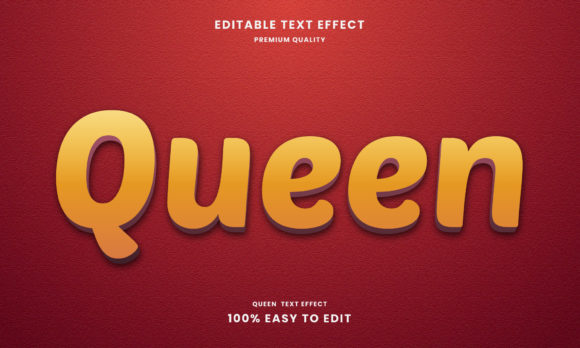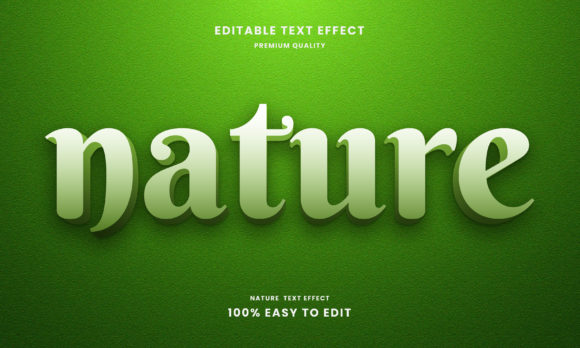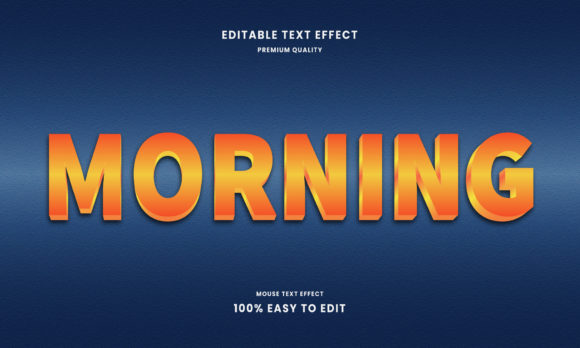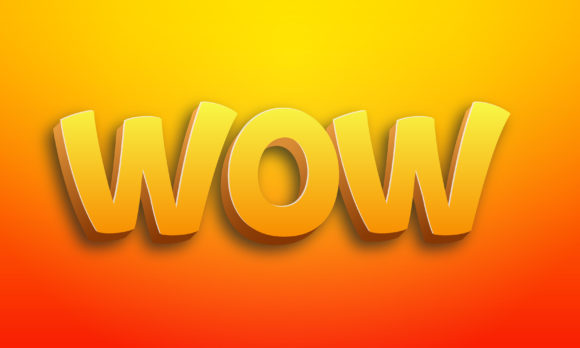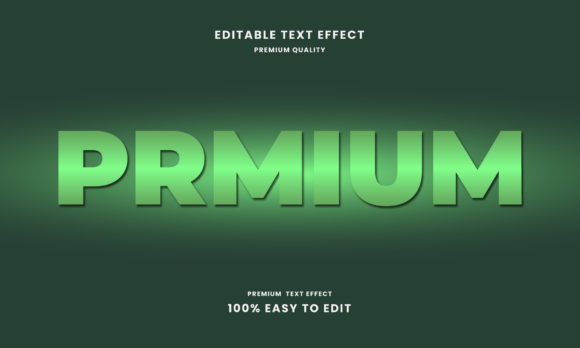
Premium 3D Text Effect: A Comprehensive Evaluation
In the landscape of digital graphic design, typography often serves as the primary vehicle for conveying brand identity and visual hierarchy. Among the various stylistic choices available to designers, three-dimensional text effects remain a popular method for creating depth, emphasis, and visual interest. The Premium 3D Text Effect is a specific graphic element designed to meet these needs through a vector-based approach. This evaluation explores the technical specifications, usability features, and practical applications of this asset to help designers determine if it aligns with their current project requirements.
Understanding the Asset Specifications
The foundation of any effective design tool lies in its technical parameters. The Premium 3D Text Effect is delivered as an Adobe Illustrator file (.AI), specifically optimized for version CC 2020 or later. This software compatibility ensures that users working within the standard industry ecosystem can open and manipulate the file without encountering version conflicts or data loss. The file utilizes RGB color mode, which is the standard requirement for digital displays, web graphics, and video content, distinguishing it from CMYK files intended for physical print production.
Regarding resolution and dimensions, the design is set at 2000x1200 pixels. While vector files are theoretically resolution-independent, providing a fixed pixel dimension in the source file offers a clear reference point for layout planning. This size is sufficient for high-resolution digital banners, social media headers, and large-format on-screen presentations. The inclusion of free fonts further streamlines the workflow by eliminating the need for immediate font acquisition or licensing verification, allowing the user to visualize the final result immediately upon opening the file.
Key Features and Workflow Efficiency
The primary value proposition of this graphic element is its editability. In professional design workflows, starting from scratch can be time-consuming and may require advanced knowledge of path manipulation and gradient mesh tools. This asset provides a pre-constructed framework where the 3D geometry, lighting, and shading are already established. Users can modify the text content, adjust colors, and alter specific vector paths while maintaining the integrity of the 3D effect.
- Customization: The design is described as optimized and customized, suggesting that the internal layer structure is organized logically. This allows for non-destructive editing, meaning changes can be made without degrading the quality of the original vector data.
- Color Flexibility: Being in RGB mode allows for vibrant, screen-ready color palettes. Designers can easily swap out the default hues to match specific brand guidelines or thematic requirements.
- Simplicity: The "Easy to edit" feature implies that the complexity of the 3D rendering has been abstracted into manageable layers. This reduces the barrier to entry for designers who may not specialize in complex 3D modeling but still require high-quality typographic results.
Strategic Applications and Use Cases
Determining when to utilize a template like the Premium 3D Text Effect depends heavily on the medium and the desired outcome. This asset is particularly well-suited for digital-first campaigns where visual impact is paramount.
Digital Marketing and Social Media: For platforms such as Instagram, Facebook, or YouTube thumbnails, 3D text stands out against flat backgrounds. The 2000x1200 dimension fits well within standard aspect ratios used in digital advertising, ensuring the text remains crisp on high-density screens. The RGB color profile ensures that the colors render accurately on monitors and mobile devices.
Web Interface Design: Modern web design often incorporates subtle depth to guide user attention. A 3D text effect can serve as a compelling headline or call-to-action element. Because the file is vector-based, it scales effectively across different screen sizes without pixelation, provided the underlying code handles the SVG or image export correctly.
Video Content: Intro sequences and lower-thirds in video production benefit from the dynamic look of 3D typography. The editable nature of the file allows content creators to quickly update names, titles, or slogans without needing to re-render complex 3D scenes in dedicated animation software.
Considerations and Potential Tradeoffs
While the benefits are clear, there are important considerations before integrating this asset into a project. One significant limitation is the color mode. As an RGB file, it is not natively suitable for professional offset printing, which typically requires CMYK separation. If the end goal includes physical merchandise like t-shirts, business cards, or large-scale billboards, the designer must convert the color space carefully to avoid unexpected shifts in hue and saturation.
Additionally, reliance on templates can sometimes lead to generic results. Since the Premium 3D Text Effect uses a pre-defined style, multiple users might employ similar designs. To mitigate this, designers should invest time in customizing the gradients, textures, and lighting angles to ensure the final output feels unique to the brand.
Another factor is the software version dependency. The specification mentions Adobe Illustrator CC 2020. While newer versions of the software generally maintain backward compatibility, older versions of Illustrator cannot open files created in CC 2020. Furthermore, if a client or collaborator uses an older version of the software, they may encounter errors or missing fonts, even if the fonts are listed as "free."
Evaluating Alternatives
Designers should weigh the Premium 3D Text Effect against other approaches based on their specific constraints.
If the project demands a fully bespoke look that matches a very specific brand aesthetic perfectly, building a 3D effect from scratch using Illustrator's 3D & Materials workspace or a dedicated 3D application like Blender might be more appropriate. These methods offer unlimited creative control but require significantly more time and technical expertise.
Conversely, if the project involves print-only deliverables, purchasing or downloading a CMYK-compatible vector text effect would be a more direct solution, avoiding the conversion process and potential color inaccuracies. For users who do not have access to Adobe Illustrator, raster-based alternatives (PSD files) or online text generators could serve as functional substitutes, though they lack the scalability and editability of the vector format provided here.
Final Decision-Making Insights
The decision to use the Premium 3D Text Effect should be guided by the balance between efficiency and customization needs. It represents a strong fit for designers seeking to accelerate their workflow for digital projects without sacrificing the visual quality of 3D typography. The combination of a standardized vector format, ready-to-use free fonts, and an optimized layer structure makes it a practical resource for agencies and freelancers under tight deadlines.
However, it is less ideal for projects requiring strict print adherence or those demanding a completely unique 3D geometry that deviates from the provided template. By understanding the limitations regarding color modes and software versions, and by committing to thorough customization, users can leverage this asset to produce professional-grade results. Ultimately, this tool serves as a robust starting point, bridging the gap between basic typography and complex 3D design.