Mastering the Spark 3D Text Effect for Modern Graphic Design
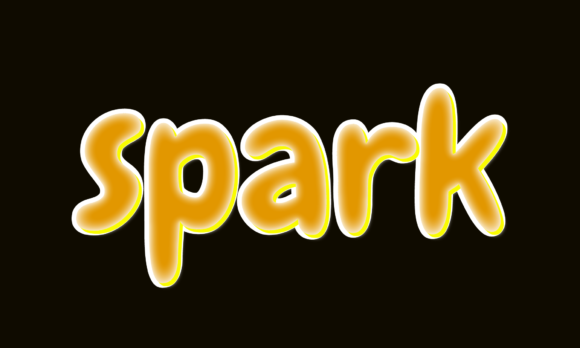
In the rapidly evolving landscape of digital visual communication, static typography often fails to capture the attention required in crowded marketplaces. Professionals and creators alike are constantly seeking methods to elevate their projects beyond flat designs. This is where the Spark 3d Text Effect emerges as a pivotal tool. It represents more than just a stylistic choice; it is a sophisticated graphic element design that bridges the gap between two-dimensional layout and three-dimensional immersion. By leveraging this specific effect, designers can transform ordinary headlines into dynamic focal points that resonate with audiences across various platforms.
The Architecture of Three-Dimensional Typography
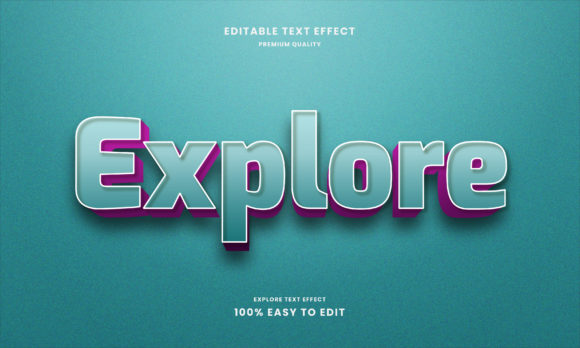
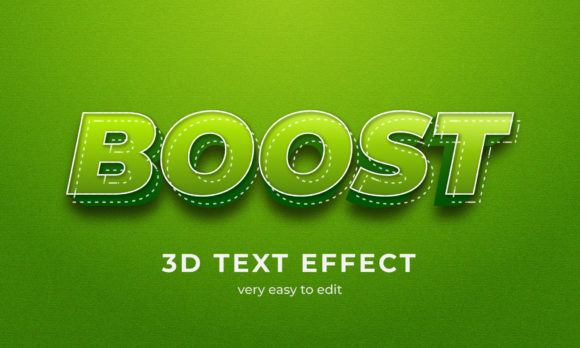
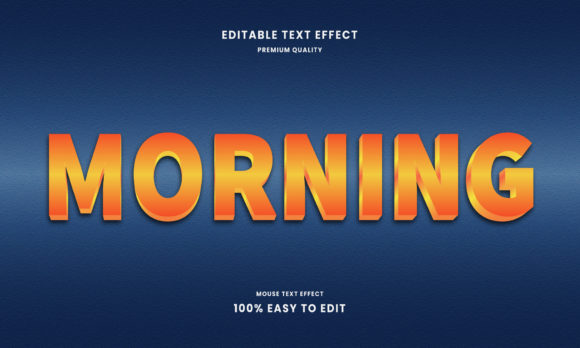
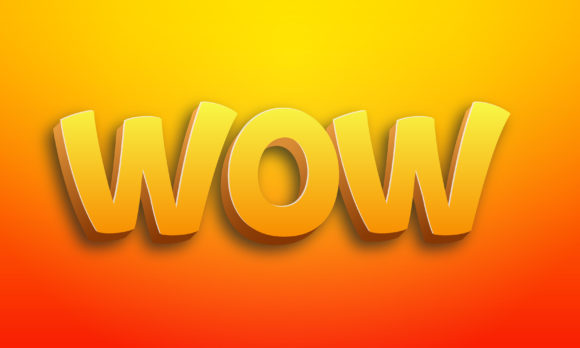
Understanding the mechanics behind the Spark 3d Text Effect requires a look at how light, shadow, and perspective interact within a digital canvas. Unlike standard text layers that rely on simple gradients or strokes, a true 3D effect simulates physical depth. This simulation creates an illusion of volume, allowing the text to appear as if it is floating above, sinking into, or protruding from the background. The result is a visual hierarchy that immediately guides the viewer's eye to the most critical information.
The versatility of this approach lies in its ability to adapt to different aesthetic needs. Whether the goal is a futuristic, neon-lit aesthetic reminiscent of cyberpunk culture or a sleek, metallic finish suitable for corporate branding, the underlying principles remain consistent. The effect utilizes advanced rendering techniques to calculate how light would hit a solid object, creating realistic highlights on the edges and deep shadows in the crevices. This attention to detail is what separates a basic drop-shadow text from a professional-grade 3D element.
For educators and researchers studying visual perception, this technique offers a tangible example of how the human brain interprets depth cues. By manipulating these cues through software, designers can control the emotional response of the audience. A bold, sparkling 3D text can evoke excitement and energy, while a subtle, matte 3D effect might convey stability and trust. The Spark 3d Text Effect provides the foundational geometry necessary to achieve these nuanced emotional connections.
Technical Specifications and Workflow Integration
To fully appreciate the utility of this graphic element, one must consider the technical framework that supports it. High-quality 3D text assets are typically delivered with precise specifications to ensure compatibility across various design ecosystems. The Spark 3d Text Effect described here is optimized for Adobe Illustrator CC 2020, a industry-standard vector graphics editor used by millions of professionals worldwide.
- Resolution and Dimensions: The asset is provided in a high-resolution format with dimensions of 2000x1200 pixels. This size ensures that the text remains crisp and clear when scaled up for large-format printing or down for web use without losing fidelity.
- Color Mode: Operating in RGB color mode makes the file ideal for digital displays, including monitors, mobile devices, televisions, and social media platforms. This color space allows for vibrant, luminous colors that mimic the behavior of light emitted from screens.
- File Format: The inclusion of a single AI (Adobe Illustrator) file simplifies the workflow. Vector-based formats allow for infinite scalability, meaning the text can be resized from a small icon to a massive billboard without pixelation.
- Font Accessibility: To ensure ease of use, the design utilizes free fonts. This removes the barrier of cost and licensing issues, allowing hobbyists and students to access professional-grade results without needing expensive typeface subscriptions.
This combination of features makes the Spark 3d Text Effect an accessible yet powerful resource. The fact that it is editable means users are not locked into a static image. They can alter the text content, change the colors, adjust the lighting angles, or modify the texture. This flexibility is crucial for businesses that need to update campaigns quickly or creators who want to experiment with different styles.
Practical Applications Across Industries
The utility of 3D text effects extends far beyond simple decoration. In the real world, the Spark 3d Text Effect serves functional purposes in marketing, education, entertainment, and business communications. Its ability to command attention makes it a valuable asset for any scenario where visibility is paramount.
Digital Marketing and Social Media
In the digital age, content creators compete for seconds of user attention. Static images often get scrolled past, but elements with depth tend to stop the scroll. A poster or banner featuring the Spark 3d Text Effect stands out against the flat background of a news feed. Marketers use this effect to highlight call-to-action buttons, event dates, or product names. The "spark" aspect of the name suggests a dynamic quality, implying energy and movement, which is highly effective for promoting new launches or limited-time offers.
Because the file is in RGB mode, it renders perfectly on Instagram stories, YouTube thumbnails, and Facebook ads. The optimization of the file ensures that even complex gradients and shadows load quickly on mobile devices, preventing the lag that can frustrate users. For small business owners, this means professional-looking promotional materials can be created in-house without hiring an external agency.
Educational Materials and Presentations
Educators and trainers face the challenge of keeping students engaged during lectures or workshops. Traditional slides with bullet points can become monotonous. Incorporating 3D text titles into presentation decks adds a layer of visual interest that helps maintain focus. When teaching concepts related to physics, engineering, or art history, using a 3D text effect to title a slide about structural integrity or Renaissance sculpture can make the topic feel more tangible.
Researchers presenting findings at conferences also benefit from this technology. A title slide that uses the Spark 3d Text Effect sets a tone of innovation and modernity. It signals to the audience that the research presented is cutting-edge. Furthermore, because the font is editable and the file is vector-based, presenters can easily customize the text to match the specific terminology of their field without worrying about resolution loss.
Gaming and Entertainment
The gaming industry relies heavily on visual spectacle. Title screens, level headers, and character names often utilize 3D typography to immerse players in the game world. The Spark 3d Text Effect fits seamlessly into this environment. Whether designing a logo for an indie game studio or creating assets for a modding community, the ability to manipulate the 3D properties of the text allows for customization that matches the game's theme. A sci-fi game might use metallic textures, while a fantasy game might opt for stone or wood-like finishes, all achievable by editing the same base file.
Advantages of Using Editable Vector Assets
One of the most significant advantages of working with the Spark 3d Text Effect is the nature of the source file. Being an Adobe Illustrator CC 2020 compatible AI file means the design is built on vectors rather than pixels. This distinction is critical for anyone involved in professional design work.
Pixels are fixed grids of colored squares. If you stretch a pixel-based image too much, it becomes blurry and jagged. Vectors, however, are mathematical formulas that define lines and curves. This allows the text to be resized from a tiny favicon to a massive building wrap without any degradation in quality. For businesses that plan to print merchandise like t-shirts, mugs, or banners, this scalability is non-negotiable. The 2000x1200 pixel dimension mentioned in the specifications serves as a high-quality starting point, but the vector nature ensures the potential goes far beyond that initial size.
Furthermore, the editability factor empowers users to take ownership of the design. Instead of being forced to use pre-set colors or text, a designer can swap the "Spark" concept for their own brand name. They can tweak the RGB values to match their exact brand guidelines. This level of control fosters creativity and ensures that the final output is unique to the project. It transforms a generic template into a bespoke graphic element.
Cost-Effectiveness and Resource Management
For hobbyists, students, and startups operating on tight budgets, the cost of software and assets can be prohibitive. The Spark 3d Text Effect addresses this by utilizing free fonts and providing a single, comprehensive AI file. This eliminates the need to purchase multiple plugins or separate font licenses. The inclusion of a single file reduces clutter in the project folder, making organization easier. For teams collaborating on a project, having a streamlined asset with clear instructions on how to edit it saves time and reduces the likelihood of errors.
The optimized nature of the file also contributes to efficiency. Complex 3D effects can sometimes bog down computer performance, causing lag when moving layers or applying filters. However, a well-optimized file ensures smooth operation even on mid-range hardware. This accessibility allows a broader range of people, from seasoned professionals to enthusiastic beginners, to produce high-quality work.
Considerations for Implementation
While the benefits of the Spark 3d Text Effect are substantial, successful implementation requires thoughtful consideration of context and usage. Just because a text effect looks impressive does not mean it is appropriate for every situation. Overuse of 3D elements can lead to visual fatigue, making the design feel cluttered or dated.
Designers must balance the 3D effect with negative space. The depth of the text should complement the surrounding elements, not overwhelm them. If the background is busy or colorful, a simpler version of the 3D effect might be more effective. Conversely, on a plain white or black background, the full intensity of the spark and shadows can shine. Understanding the principle of contrast is key to making the text pop without causing eye strain.
Additionally, accessibility should always be a priority. While 3D text is visually striking, it can sometimes reduce readability if the contrast between the text and the background is too low or if the shadows obscure parts of the letters. When using the Spark 3d Text Effect for important information like legal disclaimers or safety warnings, legibility must be tested rigorously. The goal is to enhance comprehension, not hinder it.
Finally, file management is essential. Since the file is designed for Adobe Illustrator CC 2020, users running older versions may encounter compatibility issues. It is advisable to save a copy of the file in a universal format, such as PDF or SVG, if sharing with colleagues who have different software versions. However, retaining the original AI file is recommended for future edits, as other formats may flatten the layers and lose the 3D properties.
Conclusion: Elevating Visual Communication
The Spark 3d Text Effect represents a convergence of artistic expression and technical precision. It offers a versatile solution for anyone looking to add depth and dynamism to their visual projects. From the bright lights of digital advertising to the structured clarity of educational materials, this graphic element design proves its worth across diverse sectors. By providing an editable, high-resolution, and professionally optimized asset, it empowers users to create impactful designs that stand out in a saturated digital world.
Whether you are a business owner looking to revamp your marketing collateral, an educator seeking to engage your students, or a creator experimenting with new styles, the capabilities of this 3D text effect provide a strong foundation. The combination of RGB color mode, vector scalability, and user-friendly editing tools ensures that the possibilities are limited only by imagination. As digital trends continue to evolve, mastering tools like this will remain a vital skill for maintaining relevance and capturing attention in the visual arts.