3D Papercut Gingerbread House Layered: A Versatile Asset for Creative Projects
The 3D Papercut Gingerbread House Layered design represents a specific intersection of traditional holiday aesthetics and modern digital fabrication techniques. For professionals, creators, and hobbyists alike, the value of this asset lies not merely in its visual appeal but in its structural flexibility. Unlike standard two-dimensional graphics that flatten a subject into a single plane, this layered approach utilizes depth to create a tangible, three-dimensional object when assembled correctly. This characteristic makes it particularly suitable for applications ranging from static wall art to dynamic light boxes, offering a level of customization that flat vector files often cannot support.
Understanding the Core Design and Functionality
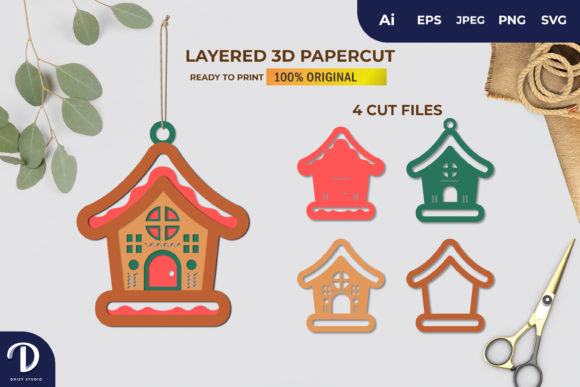
At its foundation, the 3D Papercut Gingerbread House Layered is a multi-plane composition. The design is constructed from distinct layers that, when stacked, form the illusion of depth and volume. This technique mimics the look of intricate papercut art while providing the physical presence of a sculpture. The primary utility of this file format is its adaptability. Users are not locked into a single output method; instead, the design serves as a template that can be modified based on available tools and desired outcomes.
The versatility extends to the intended use cases. In a professional setting, such as a marketing campaign or a retail display, this design can serve as a high-impact visual element. For educators or content creators, it offers a hands-on project that demonstrates principles of geometry, layering, and assembly. The ability to transform a digital file into a physical object allows for a tactile connection with the audience that purely digital media lacks. Whether used as a standalone wall decoration or integrated into a larger lighting setup, the design maintains its structural integrity and aesthetic quality.
Technical Specifications and File Compatibility
For those integrating this asset into existing workflows, the technical specifications of the 3D Papercut Gingerbread House Layered package are robust. The download includes a comprehensive ZIP file containing multiple formats designed to accommodate different software environments and hardware capabilities. Specifically, the package provides:
- Adobe Illustrator (AI): An EPS6 file sized at 750x500 pixels, ensuring compatibility with industry-standard vector editing software.
- Raster Formats: High-resolution JPEGs (3000x2000) and PNGs (2804x2804) are included for immediate viewing, printing, or web usage without requiring vector conversion.
- SVG File: The Scalable Vector Graphics file is critical for users employing cutting machines, as it preserves the precise paths required for automated fabrication.
The inclusion of both vector and raster formats ensures that the design remains scalable without loss of quality. This is a crucial feature for professionals who may need to resize the image for various media channels, from social media thumbnails to large-format prints. The SVG component specifically targets the maker community, allowing for seamless import into cutting software programs like those used by Cricut machines.
Fabrication Methods: From Digital to Physical
The transition from a digital file to a physical product depends largely on the equipment available to the user. For those equipped with electronic cutting machines, the process is streamlined. The 3D Papercut Gingerbread House Layered SVG file can be loaded directly into compatible cutting software. These programs interpret the vector paths and instruct the machine to cut through paper, cardstock, or other thin materials with high precision. This method reduces manual labor and ensures consistent results across multiple copies, which is essential for small business owners producing merchandise or educators preparing classroom materials.
However, the design does not require expensive machinery to be effective. Users without access to cutting machines can achieve similar results using traditional tools, such as an art knife or scalpel. While this approach demands more time and steady hands, it offers a level of control that some artisans prefer. The clean lines of the layered design make it forgiving enough for manual cutting, provided the user follows the layer outlines carefully. This accessibility broadens the potential audience, making the asset viable for casual hobbyists and budget-conscious creators.
Enhancing the Presentation: Lighting and Color Effects
One of the most compelling aspects of the 3D Papercut Gingerbread House Layered is its capacity to function as a light box. By incorporating LED strips behind the layered structure, the design transforms from a simple paper craft into an illuminated piece of decor. This addition changes the viewing experience entirely, casting shadows between the layers that accentuate the depth and complexity of the gingerbread house motif.
The integration of lighting allows for creative experimentation. Users can mix colors using addressable LED strips to create dynamic effects, shifting hues to match different themes or times of day. This capability adds significant value for interior designers and event planners looking to create immersive environments. The transparency and opacity of the paper layers interact with the light source to produce soft glows and sharp contrasts, elevating the presentation beyond what a standard print could achieve. It is worth noting that successful implementation requires careful planning regarding the spacing between layers to ensure the light diffuses evenly without creating hot spots.
Evaluating Quality, Usability, and Long-Term Value
When assessing the 3D Papercut Gingerbread House Layered, several factors contribute to its overall effectiveness. The consistency of the line work in the vector files is paramount; any jagged edges or misaligned paths would compromise the final assembly. Based on the provided specifications, the design appears optimized for precision cutting, suggesting a high degree of reliability for production purposes.
Usability is another strong point. The availability of multiple file formats means that the asset fits into diverse workflows without necessitating complex conversions. A marketer can use the JPEG for a quick email header, while a manufacturer uses the SVG for production. This flexibility saves time and reduces friction in the project lifecycle. Furthermore, the layered nature of the design encourages creativity. Users are not forced to adhere strictly to the original color scheme or material choice; they can experiment with different cardstock textures, metallic finishes, or even translucent plastics to alter the mood of the piece.
In terms of long-term value, the design's seasonal relevance is a double-edged sword. As a gingerbread house motif, it holds peak utility during the winter holidays. However, the underlying concept of layered papercut art has enduring appeal. With minor adjustments to the coloring or context, the structural design could potentially be repurposed for other projects, though its primary identity remains tied to the festive theme. For businesses selling seasonal products, this asset offers a cost-effective way to generate unique inventory without investing in custom design services.
Who Benefits Most from This Resource?
This resource is particularly well-suited for specific segments of the creator economy. Small business owners focusing on handmade goods can utilize the 3D Papercut Gingerbread House Layered to create kits or finished products for sale. The clear instructions implied by the layered structure allow for easy replication, supporting small-scale manufacturing. Freelance graphic designers and illustrators may find value in the high-quality raster files for client presentations or the vector files for customizing client-specific branding elements.
Educators and workshop leaders will also benefit significantly. The project combines technical skills (cutting, assembly) with artistic expression, making it an ideal STEM/STEAM activity. The ability to add lighting introduces concepts of physics and electricity, expanding the educational scope. Bloggers and publishers covering DIY topics or holiday crafts can use the images and descriptions of this project to generate engaging content that drives traffic and interaction.
Practical Considerations and Limitations
While the asset is robust, there are practical limitations to consider. The success of the final product relies heavily on the quality of the materials chosen. Thin paper may lack the rigidity needed to hold the 3D shape, while overly thick cardstock might be difficult to cut manually or cause alignment issues if the layers are too thick. Users must test their materials before committing to a large batch.
Additionally, the assembly process requires patience and attention to detail. Misaligning even a single layer can disrupt the entire visual effect. For users unfamiliar with papercut techniques, there may be a learning curve associated with gluing and stacking the components securely. Despite these challenges, the end result justifies the effort, offering a professional-looking outcome that stands out against mass-produced decorations. Ultimately, the 3D Papercut Gingerbread House Layered serves as a versatile tool for anyone looking to bridge the gap between digital design and physical craftsmanship.