3d Object for Use As Logo Design Element
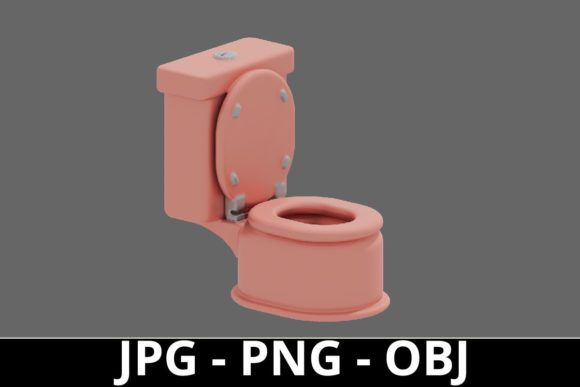
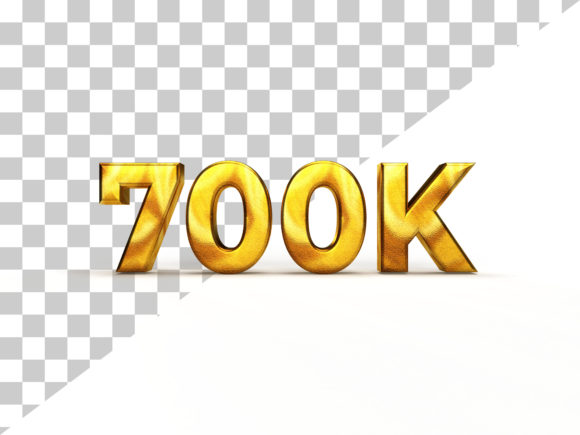
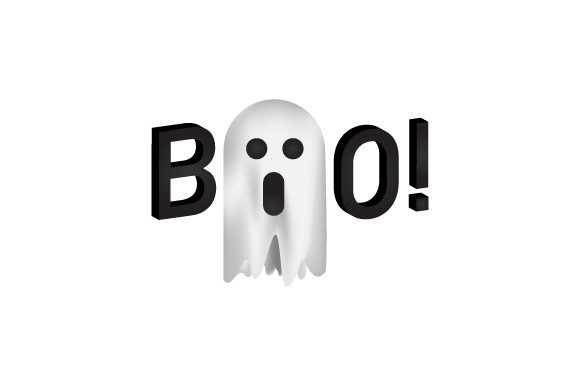
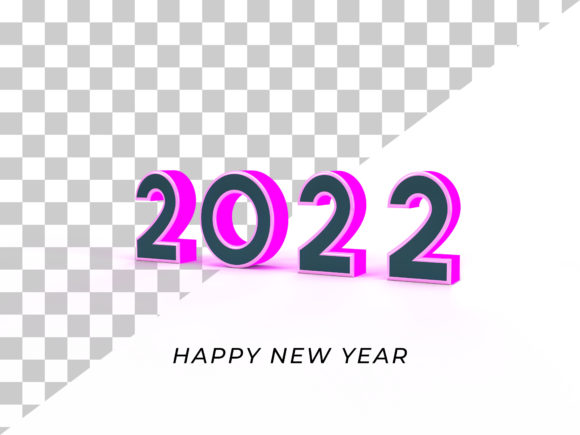
The visual landscape of modern branding has shifted dramatically in recent years. We have moved away from the flat, minimalist aesthetic that dominated the early 2010s toward a more tactile, immersive experience. At the heart of this transformation lies the 3d object for use as logo design element. This is not merely a stylistic choice; it represents a fundamental change in how audiences interact with brand identity. When a logo possesses depth, texture, and lighting, it commands attention in a crowded digital marketplace where static images often get overlooked.
For professionals, entrepreneurs, and creators, understanding the value of these assets is crucial. A three-dimensional logo does not just sit on a screen; it feels like an object you could hold. It adds a layer of sophistication and realism that resonates with users who expect high-quality, dynamic content. Whether you are rebranding a startup or refreshing an established business, incorporating a 3d object for use as logo or design element can elevate your visual communication from standard to standout.
The Evolution of Digital Identity
Why are we seeing such a surge in demand for three-dimensional graphics? The answer lies in the technology we consume daily. Modern screens, from high-resolution smartphones to OLED monitors, are capable of rendering complex gradients, shadows, and metallic finishes with incredible clarity. Flat design, while clean, sometimes struggles to convey the richness that today's displays can support. Brands are realizing that to capture the eye of a scrolling user, they need something that breaks the plane of the two-dimensional web page.
This shift is also driven by the rise of augmented reality (AR) and virtual environments. As businesses explore the metaverse and interactive marketing campaigns, a flat logo often looks out of place in a 3D space. A logo built with depth integrates seamlessly into these new frontiers. It allows for animation, rotation, and interaction that flat vectors simply cannot achieve without significant modification. The evolution from vector-only logos to multi-layered, textured designs reflects a broader trend toward experiential branding.
Furthermore, consumer expectations have changed. In an era of instant gratification, users associate quality with visual fidelity. A polished, 3D-rendered icon suggests that a company pays attention to detail. It implies a premium service or product. For freelancers and small business owners, this means that investing in high-quality design assets is no longer optional if they wish to compete with larger corporations. The 3d object for use as logo design element serves as a visual shorthand for professionalism and innovation.
Practical Applications in Modern Workflows
Integrating 3D elements into your workflow offers tangible benefits beyond mere aesthetics. One of the primary advantages is versatility. A well-crafted 3D asset can be used across multiple platforms without losing its impact. It works equally well as a favicon, a social media profile picture, a website hero image, or even on physical merchandise like business cards and packaging.
However, technical compatibility remains a key consideration for designers and developers. This is where the specific format of your assets matters immensely. Consider a scenario where you acquire a pack containing a 3d object for use as logo design element. Ideally, the package should include a Vector EPS file in an older version format. Why is this important? Many legacy systems, print shops, and older versions of design software still rely on older EPS standards. If you only receive a file compatible with the latest software updates, you risk being unable to open or edit the asset when working with clients who use outdated tools.
To ensure maximum usability, comprehensive asset packages often bundle a high-resolution JPG format zipped together with the vector files. This dual-format approach provides flexibility. You can use the JPG for quick previews, web uploads, or situations where vector editing is not required. Meanwhile, the EPS file ensures that you retain full control over the shape, color, and scalability of the design for print production. This combination eliminates the friction of converting files later in the process, saving valuable time and reducing the risk of errors.
Another critical aspect of professional-grade assets is the absence of watermarks in the final deliverables. There is nothing more frustrating than finding a beautiful design only to discover a large watermark blocking the core imagery. In a legitimate commercial transaction, the final files should be clean. NO WATERMARK INSIDE the delivered files is a standard expectation for serious buyers. Watermarks should appear only on preview images to protect intellectual property before purchase. This distinction ensures that once you own the asset, you have a pristine resource ready for immediate deployment in your projects.
Tailoring Design to Your Brand Needs
While pre-made assets offer convenience, the true power of a 3D logo comes from customization. Every brand has a unique voice, color palette, and personality. A generic 3D cube might look impressive, but it will not resonate if it does not align with your brand story. This is why many creators and agencies turn to custom requests. If you have a specific vision for a 3d object for use as logo or design element, reaching out for a bespoke solution can yield results that off-the-shelf templates cannot match.
Contacting a designer through a dedicated contact form allows you to discuss nuances that automated systems miss. Perhaps you need a specific material finish, like brushed aluminum or matte glass. Maybe you require a particular angle or lighting setup to match your existing photography. Customization ensures that the final output is not just a "nice-to-have" graphic but a strategic asset that supports your broader marketing goals. It bridges the gap between a stock illustration and a tailored brand identity.
For educators and bloggers, these elements serve as powerful tools for engagement. An article about technology becomes more engaging when accompanied by a floating, glowing 3D gear icon. A tutorial on cooking can feature a stylized 3D whisk or pot. These visual aids break up text-heavy content and guide the reader's eye, increasing the time spent on a page. They transform passive reading into an active visual experience.
Making the Right Choice for Your Projects
When selecting a 3D asset for your project, it is essential to look beyond the initial visual appeal. Evaluate the technical specifications. Does the package include the necessary formats? Is the vector file editable in the software you currently use? Are there any hidden restrictions regarding commercial use? A thorough review of the file contents prevents future headaches. Remember that the goal is to find a 3d object for use as logo design element that integrates smoothly into your existing ecosystem.
Consider the longevity of the design. Trends in 3D styling change rapidly, moving from glossy and shiny to matte and clay-like. While it is tempting to chase the latest fad, aim for a style that feels timeless yet contemporary. A well-executed 3D logo should remain relevant for years, adapting to different backgrounds and contexts without looking dated. This requires a balance between following current trends and maintaining a solid foundation in good design principles.
Ultimately, the decision to use 3D objects in your branding is about connection. In a world saturated with information, depth creates a point of difference. It invites the viewer to look closer, to engage, and to remember. Whether you are a marketer crafting a campaign, a freelancer building a portfolio, or a business owner defining your corporate identity, the right 3D asset can be the catalyst that transforms a good idea into a memorable brand. By prioritizing quality, compatibility, and customization, you ensure that your visual identity stands the test of time.
If you are ready to take your design to the next level, do not hesitate to explore the possibilities. With the right resources—complete with old-version EPS files, high-res JPGs, and zero watermarks—you have everything you need to create something extraordinary. And if your vision requires something unique, remember that custom requests are always welcome. The bridge between your imagination and a realized design is just a message away.