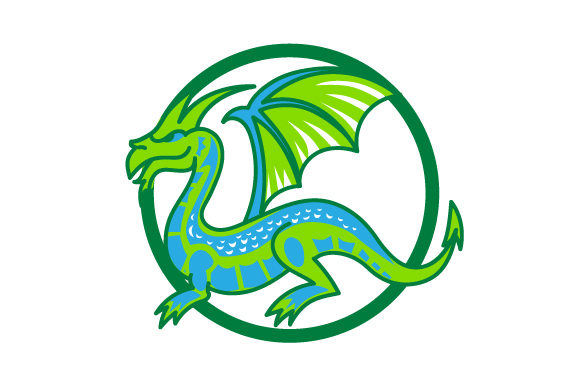
3D Layered Dragon: A Strategic Asset for Modern Branding and Design
In the competitive landscape of digital marketing, product development, and content creation, visual distinctiveness is no longer a luxury; it is a fundamental requirement for survival. The 3D Layered Dragon represents more than just an aesthetic choice; it is a sophisticated design element that offers depth, complexity, and a memorable identity for brands willing to invest in high-quality assets. For entrepreneurs, marketers, and creators aged 20 to 50, understanding how to leverage this specific asset can significantly elevate project outcomes, enhance customer engagement, and streamline operational workflows.
This guide explores the strategic utility of the 3D Layered Dragon, moving beyond surface-level aesthetics to examine how thoughtful integration supports long-term business goals, creative planning, and effective communication. By treating this design not as a mere decoration but as a core component of your visual strategy, you can achieve better results across branding, operations, and customer experience.
Understanding the Strategic Value of Depth in Visual Communication
The concept behind the 3D Layered Dragon lies in its construction. Unlike flat vector graphics or simple raster images, this design utilizes multiple layers to create a sense of volume and dimensionality. This layering technique allows the dragon motif to appear dynamic and interactive, capturing attention in a way that two-dimensional imagery often cannot. In an era where user attention spans are shrinking, the ability to convey depth instantly is a critical advantage.
From a decision-making perspective, choosing a layered design signals a commitment to quality. It suggests that a brand values detail and craftsmanship. When used correctly, the 3D Layered Dragon serves as a powerful anchor for brand positioning. It communicates sophistication and innovation, traits that resonate deeply with professional audiences and discerning consumers. Whether applied to a fintech startup's logo, a gaming platform's interface, or an educational publisher's cover art, the layered structure adds a tactile quality to the digital realm.
However, the value of this asset extends far beyond initial impressions. The structural nature of the design allows for versatility in application. Because the dragon is composed of distinct layers, it can be manipulated to fit various contexts without losing its integrity. This adaptability is essential for modern businesses that operate across multiple channels, from social media avatars to large-scale print materials.
Why Layered Designs Drive Better Engagement
- Visual Hierarchy: Layers naturally guide the viewer's eye through the composition, ensuring that key elements of the message are noticed first.
- Motion Potential: The separate layers of the 3D Layered Dragon can be animated individually, creating engaging micro-interactions for websites and apps.
- Memorability: Complex, multi-dimensional imagery creates stronger neural connections in the brain compared to flat designs, leading to higher brand recall rates.
Integrating the 3D Layered Dragon into Business Operations
For small business owners and freelancers, efficiency is paramount. The availability of the 3D Layered Dragon in multiple formats—SVG, Transparent PNG, EPS, and DXF—provides a significant operational advantage. Each file type serves a specific purpose within the workflow, allowing professionals to deploy the asset effectively regardless of the medium.
Consider the scenario of a marketing agency launching a campaign for a client in the gaming or fantasy sector. Receiving the design in SVG File format ensures that the dragon remains crisp on any screen size, from mobile devices to large billboards. This scalability eliminates the need for constant resizing or re-rendering, saving valuable time and resources. Similarly, the Transparent PNG version is indispensable for overlaying the design onto existing web backgrounds or video content without dealing with unwanted white boxes or clipping issues.
For those involved in physical production, such as merchandise creators or event planners, the EPS and DXF formats are equally critical. These vector-based files allow for precise scaling and cutting. A hobbyist looking to produce laser-cut wooden puzzles or a professional manufacturer creating metal signage can rely on these formats to ensure the intricate details of the dragon are reproduced accurately. This cross-format compatibility reduces friction in the supply chain and ensures consistency between digital and physical touchpoints.
Planning Your Implementation Strategy
- Assess Your Channels: Identify where the 3D Layered Dragon will have the most impact. Is it for a website hero section, a social media profile, or a physical product?
- Select the Correct Format: Match the file type to the intended use. Use SVG for web, PNG for overlays, and EPS/DXF for print or manufacturing.
- Define the Context: Determine the background colors and surrounding elements to ensure the layered dragon stands out without clashing.
- Test Variations: Experiment with different color palettes and lighting effects to see how the layers interact under various conditions.
Enhancing Creativity and Productivity Through Intentional Design
One of the most common pitfalls in design is using assets randomly without a clear strategic intent. The 3D Layered Dragon should never be treated as a generic placeholder. Instead, it must be integrated with a clear vision of what the project aims to achieve. When approached thoughtfully, this asset can unlock new levels of creativity and productivity.
For educators and bloggers, the dragon can serve as a recurring theme that ties a series of articles or courses together. Its layered nature allows for storytelling; each layer can represent a different chapter, concept, or stage of learning. This approach transforms static content into a narrative journey, making complex information more digestible and engaging for students and readers alike.
In the realm of product design, the dragon can act as a unique selling proposition (USP). Imagine a software dashboard where the dragon's layers shift based on user activity, providing a visual representation of system performance. Or consider a line of apparel where the embroidery follows the contours of the dragon's layers, offering a premium feel that justifies a higher price point. These applications demonstrate how the asset can drive innovation when aligned with specific business objectives.
Furthermore, the structured nature of the design encourages disciplined thinking. To use the 3D Layered Dragon effectively, one must understand its geometry and how light interacts with its surfaces. This process fosters a deeper appreciation for design principles, which can spill over into other areas of work, improving overall decision-making and problem-solving skills.
Risks and Considerations for Decision-Makers
While the potential benefits are substantial, relying on the 3D Layered Dragon without a clear context carries risks. The primary danger is visual clutter. If the layers are too dense or the colors are too vibrant, the design can overwhelm the audience rather than engage them. In professional settings, overly ornate graphics can detract from the core message, leading to confusion and reduced conversion rates.
Another consideration is technical compatibility. While the asset comes in versatile formats, not all platforms support complex layering or animation equally well. Before committing to a full rollout, it is essential to test the design across different browsers, devices, and printing services. Failure to do so can result in broken layouts or distorted images, which can damage brand credibility.
There is also the risk of market saturation. As 3D and layered designs become more popular, the novelty of the dragon motif may diminish if not executed with exceptional care. To mitigate this, brands must focus on unique applications and customizations that set them apart from competitors. Simply placing the standard asset on a website is rarely enough; the design must be adapted to reflect the brand's unique voice and values.
Guidelines for Risk Mitigation
- Keep it Simple: Use the dragon as a focal point, not the entire background. Allow negative space to breathe.
- Ensure Accessibility: Verify that the design meets accessibility standards, particularly regarding color contrast and readability.
- Monitor Performance: Track user engagement metrics to determine if the design is driving the desired outcomes or causing bounce rates to increase.
- Stay Flexible: Be prepared to adjust the design based on feedback and changing market trends.
Long-Term Results and Sustainable Growth
The ultimate goal of incorporating the 3D Layered Dragon into your strategy is to achieve sustainable growth. This involves building a brand identity that is resilient, recognizable, and capable of evolving over time. A well-executed layered design provides a foundation upon which future campaigns can be built, ensuring consistency while allowing for creative expansion.
By focusing on the strategic application of this asset, professionals can move beyond short-term gains and build lasting value. The investment in high-quality formats like SVG and EPS pays dividends by reducing the need for frequent redesigns and maintaining a high standard of visual excellence. Moreover, the association with a sophisticated, multi-dimensional image can help attract top-tier talent and partners who appreciate attention to detail.
Ultimately, the success of the 3D Layered Dragon depends on the wisdom of the user. It is a tool that rewards intentionality and punishes negligence. For those willing to take the time to understand its capabilities and limitations, it offers a pathway to superior results in branding, communication, and creative expression. In a world filled with noise, a well-placed, thoughtfully designed dragon can cut through the chaos and leave a lasting impression.