3d Banner Mobile Phone with Like Design: Integrating High-Impact Visuals into Your Digital Workflow
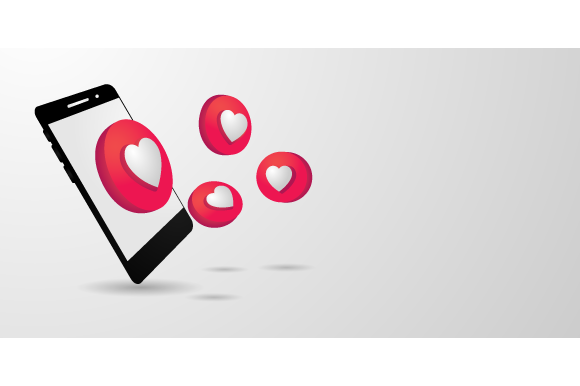
In the modern digital landscape, where attention spans are measured in milliseconds, the visual presentation of your content is not merely an aesthetic choice; it is a strategic imperative. The 3d Banner Mobile Phone with Like Design represents a critical asset for professionals who need to communicate value instantly across mobile interfaces. This specific design element combines the familiarity of a smartphone interface with the universal language of social media engagement—the "like" button—rendered in high-fidelity three dimensions. For marketers, entrepreneurs, and content creators, understanding how to integrate this vector-based asset into their broader workflow can significantly enhance user interaction rates and brand consistency.
The core utility of this design lies in its ability to bridge the gap between static information and dynamic user behavior. When you deploy a 3d banner mobile phone with like social media design vector, you are effectively simulating a real-world interaction within a digital advertisement or website background. It signals to the viewer that their input matters, creating a psychological cue that encourages participation. Whether you are launching a new product, promoting a blog post, or updating a corporate landing page, this asset serves as a visual anchor that guides the eye toward the call-to-action (CTA).
Understanding the Asset and Its Technical Specifications
Before diving into implementation strategies, it is essential to understand the composition of the files provided. The package includes AI, EPS, JPG, and PNG formats, each serving a distinct purpose within the production pipeline. The AI and EPS files are vector-based, meaning they retain their sharpness and scalability regardless of resolution. This is crucial for professionals working on large-format prints or responsive web designs that must look crisp on everything from a smartwatch screen to a billboard.
The JPG and PNG versions offer rasterized alternatives optimized for immediate web deployment. The PNG format, in particular, is vital when transparency is required. If you plan to overlay the 3D banner onto a complex background image or a gradient, the transparent background of the PNG ensures that the design integrates seamlessly without unsightly white boxes. The inclusion of these multiple formats demonstrates a workflow-first approach, allowing you to select the tool that best fits your current stage of production, from initial concepting to final delivery.
Strategic Placement in the Creative Process
The integration of this 3D banner should not be an afterthought added at the very end of a project. Instead, it functions best when considered during the planning and wireframing phases. In a typical marketing campaign, the visual hierarchy determines what the user sees first. By incorporating the 3d banner mobile phone with like design early, you establish a focal point that dictates the flow of the user journey.
Consider the scenario of a small business owner launching a new service. During the initial brainstorming session, rather than using generic stock photos, they might decide to use this 3D banner as the hero image on their homepage. Because the design features a mobile phone, it immediately contextualizes the message for the majority of users who will access the site via handheld devices. The "like" icon acts as a subliminal prompt, suggesting that the service being offered is popular and well-received. This psychological nudge can increase conversion rates by validating the user's decision to engage before they even read the copy.
Workflow Integration and Implementation Strategies
Effective implementation requires more than just dropping an image into a layout; it demands a thoughtful alignment with your existing tools and platforms. Here is how to incorporate this asset into various professional workflows:
- Website Development and Optimization: When building a responsive website, utilize the vector EPS or AI files to create scalable SVG equivalents if your CMS supports it. This ensures the fastest load times while maintaining quality. Use the PNG version for email newsletters where file size is a concern but transparency is still needed. Position the banner near the top of the fold to capture immediate attention, ensuring the "like" element aligns with the primary CTA button.
- Social Media Campaigns: This design is perfectly suited for social media headers and profile banners. Since the theme revolves around mobile interaction, it resonates deeply with platforms like Instagram, TikTok, and LinkedIn. You can animate the "like" button in the video editing phase if you are producing motion graphics, adding a subtle pulse effect to draw the eye. The versatility of the JPG format allows for quick resizing to fit the varying aspect ratios required by different social channels.
- Advertising and PPC: In pay-per-click campaigns, every pixel counts. A static image often fails to stand out against a sea of text ads. A 3D render provides depth and realism that breaks the pattern of flat designs. Use the AI file to isolate specific elements, such as the phone screen or the like icon, and combine them with your ad copy in Adobe Illustrator or Photoshop. This modular approach allows you to A/B test different variations of the banner to see which drives the highest click-through rate.
- Internal Presentations and Pitch Decks: Entrepreneurs and freelancers often need to pitch ideas to clients or stakeholders. Including this 3D banner in slide decks adds a layer of professionalism and modernity. It visually communicates that the proposed solution is user-centric and designed for the mobile age. Replace generic clip art with this high-quality vector asset to demonstrate attention to detail and a commitment to quality.
Ensuring Consistency and Quality Control
Maintaining brand consistency is a common challenge for growing businesses. When integrating the 3d banner mobile phone with like social media design vector, it is important to ensure that the colors and style match your existing brand guidelines. The 3D rendering offers a realistic texture, but you may need to adjust lighting or color overlays to align with your corporate palette. Because the source files are vectors, this adjustment is non-destructive. You can easily recolor the phone casing or the like icon without losing resolution, ensuring that the asset remains versatile throughout the lifecycle of your brand.
Quality control also extends to the technical performance of the asset. Before publishing, always verify that the file sizes are optimized for the intended platform. A massive AI file might be perfect for print, but uploading it directly to a website will crash the browser. Export a compressed JPG or PNG for web use, checking that the compression level does not introduce artifacts that degrade the 3D effects. Test the asset on multiple devices to ensure the perspective of the 3D phone looks correct on both portrait and landscape screens.
Long-Term Value and Adaptability
One of the most significant advantages of using a vector-based design like this is its longevity. Trends in digital design change rapidly, but the fundamental concept of a mobile interface with a social engagement metric remains relevant. By owning the source files (AI and EPS), you future-proof your marketing materials. If your branding strategy shifts from a minimalist approach to a more colorful one, you can modify the vector paths to reflect the new direction without needing to commission a new graphic from scratch.
This adaptability is particularly valuable for educational content creators and bloggers who produce a steady stream of articles. You can reuse the same 3D banner across a series of posts, varying only the text overlay or the context in which it appears. This repetition builds brand recognition, helping your audience associate the visual motif with your expertise. Furthermore, because the design is based on a universal symbol (the like button), it transcends language barriers, making it an excellent choice for global audiences or international campaigns.
In conclusion, the 3d Banner Mobile Phone with Like Design is more than just a decorative element; it is a functional tool that enhances communication efficiency. By leveraging the flexibility of the provided file formats and integrating the asset thoughtfully into your planning and execution phases, you can create digital experiences that are both visually striking and highly effective. Whether you are optimizing a website background, designing a social media campaign, or preparing a client pitch, this asset provides the depth and clarity needed to stand out in a crowded digital environment. The key to success lies not just in having the file, but in knowing how to weave it into the fabric of your daily operations to achieve tangible results.